

Introduction
If you’re planning a cruise in northern Vietnam, one question inevitably comes up during your research: Halong Bay vs Lan Ha Bay. At first glance, the two destinations seem almost identical. Both feature emerald waters, towering limestone karsts, hidden caves, and overnight cruises gliding through one of Southeast Asia’s most spectacular seascapes.
This similarity is exactly why so many travelers struggle to choose between them.
Cruise operators often market each bay as the superior option, making the decision even more confusing for first-time visitors. Some claim Lan Ha Bay is a quieter alternative to Halong Bay. Others argue that Halong Bay remains the only authentic choice because of its UNESCO World Heritage status and world-famous landmarks.
The truth lies somewhere in between.
As a local expert team, we will help you reveal the reality by comparing Halong Bay vs Lan Ha Bay based on what actually affects your trip: crowd levels, transportation logistics, cruise experiences, swimming conditions, overnight ambiance, and overall value. By the end, you’ll know exactly which bay fits your travel style and expectations for 2026.

The Quick Answer: Halong or Lan Ha?
For travelers who simply want the bottom line, the answer depends entirely on what kind of experience you’re seeking.
Halong Bay is best for travelers who want to see Vietnam’s most iconic seascape, visit famous attractions, and enjoy the widest selection of cruises and onboard facilities.
Lan Ha Bay is generally better for travelers who prioritize tranquility, kayaking, swimming, and a more relaxed atmosphere away from the busiest tourist routes.
| Factor | Halong Bay | Lan Ha Bay |
| UNESCO Recognition | Yes | Part of the Cat Ba Archipelago area |
| Famous Landmarks | More iconic attractions (Surprise Cave, Ti Top Island Viewpoint, Luon Cave, Fighting Cocks Islet) | More secluded natural scenery (Dark & Bright Cave, Ba Trai Dao beaches, Viet Hai Village) |
| Cruise Variety | Largest selection (Tuan Chau International Marina or Halong International Cruise Port) | Smaller but increasingly premium fleet (Gia Luan Pier, Got Ferry Terminal, or Pha Got) |
| Hanoi Transit Experience | 2.5 hours | 2.5 to 3 hours |
| Crowd Levels | Higher | Generally lower |
| Swimming Opportunities | Limited designated areas (e.g., public beaches like Ti Top) | Dozens of small, pristine “pocket beaches” accessible by kayak with cleaner open water |
| Kayaking Experience | Good (regulated to fixed areas like Luon Cave) | High freedom (direct launching from the cruise ship into quiet lagoons and natural sea tunnels) |
| Day Trip Convenience | Better | Less convenient |
| Luxury Cruise Options | Extensive | Strong boutique luxury segment |
| Nighttime Atmosphere | Lively | Quiet and peaceful |
If your goal is to experience the classic image of Vietnam you’ve seen in magazines and travel documentaries, choose Halong Bay.
If your priority is escaping crowds and spending more time immersed in nature, Lan Ha Bay will likely feel more rewarding.
The Geography and the Optical Illusion
One of the biggest misconceptions in the debate about Halong Bay vs Lan Ha Bay is that they are dramatically different destinations.
In reality, they are neighboring sections of the same broader limestone karst ecosystem located within the Gulf of Tonkin. The geological processes that created Halong Bay also formed Lan Ha Bay millions of years ago, resulting in nearly identical landscapes of limestone towers, hidden lagoons, caves, and emerald waters.
This is why travelers often struggle to distinguish between photos taken in either location.
The difference is not so much what the bays look like. The difference lies in how tourism operates within them, how cruises navigate their waters, and how many people you’ll encounter during your journey.
Halong Bay: The Legendary Giant
Halong Bay is Vietnam’s most famous natural attraction and has been recognized as a UNESCO World Heritage Site since 1994, with an expanded listing granted in 2000.
Covering more than 1,500 square kilometers and containing nearly 2,000 limestone islands and islets, it has become one of Asia’s most recognizable travel destinations.
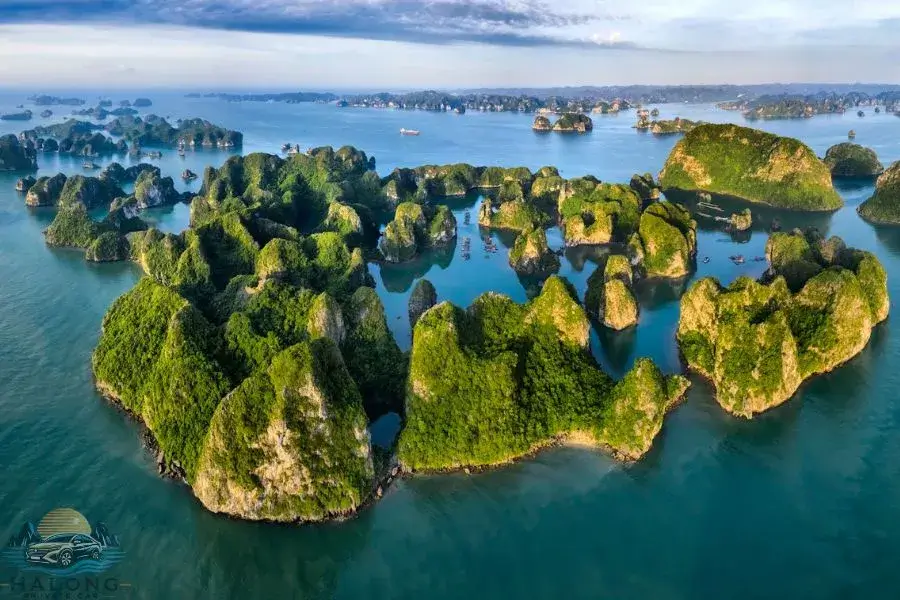
For decades, Halong Bay has been the centerpiece of Vietnam’s cruise tourism industry. Many of the country’s largest and most luxurious cruise vessels operate here, and famous attractions such as Sung Sot Cave, Ti Top Island, and Luon Cave continue to attract visitors from around the world.
For many travelers, choosing Halong Bay means experiencing the destination they have dreamed about long before arriving in Vietnam.
Lan Ha Bay: The Cat Ba Archipelago Neighbor
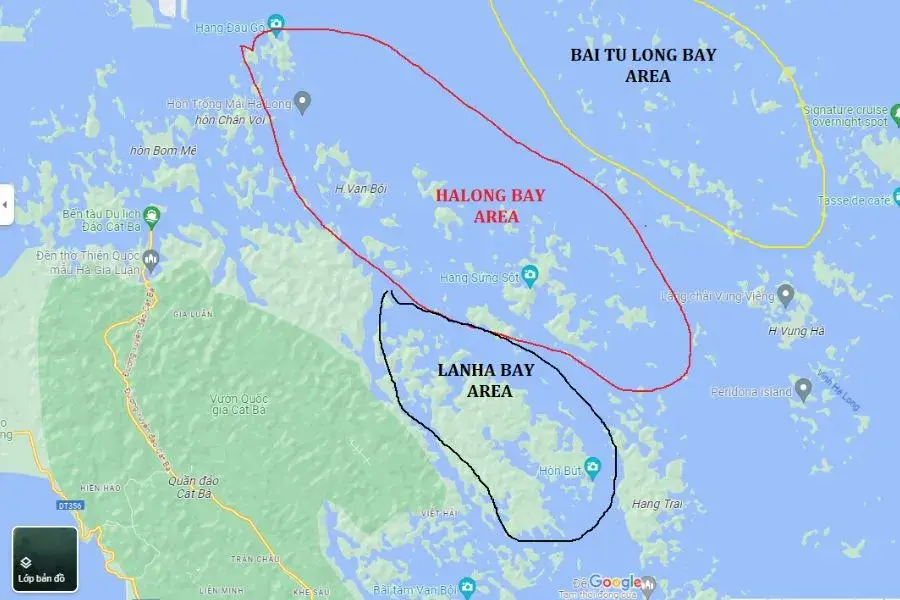
Located directly south of Halong Bay, Lan Ha Bay wraps around the eastern side of Cat Ba Island and forms part of the larger Cat Ba Archipelago.
Although it shares the same dramatic limestone scenery as its famous neighbor, Lan Ha Bay falls under the administrative management of Hai Phong rather than Quang Ninh Province. This distinction has influenced how tourism develops in the area.
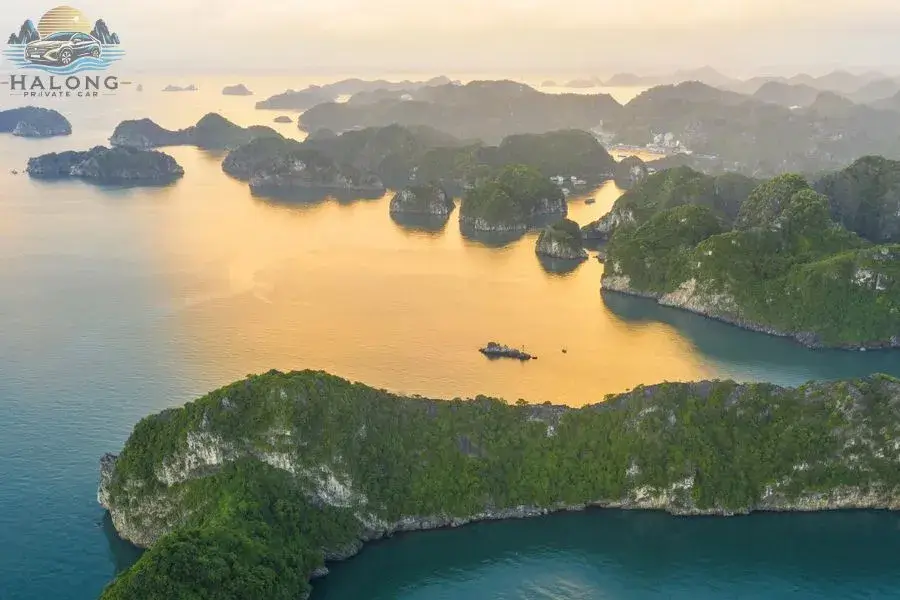
Lan Ha Bay contains more than 300 limestone islands and islets scattered across relatively calm waters. Cruise itineraries here frequently incorporate visits to Cat Ba Island, allowing travelers to combine marine exploration with cycling, hiking, and village excursions.
This connection to Cat Ba gives Lan Ha Bay a slightly different character compared to traditional Halong Bay itineraries.
The Core Differences: Crowds, Logistics, and Water Realities
Once you move beyond the scenery, the real comparison of Halong Bay vs Lan Ha Bay becomes much clearer.
The practical differences between these destinations influence your entire experience, from the moment you leave Hanoi to the final evening spent onboard your cruise.
The Port Experience and Hanoi Transit Logistics
Halong Bay benefits from highly developed tourism infrastructure.
Most cruises depart from Tuan Chau International Marina or the nearby Halong International Cruise Port. These modern facilities are efficient, well-organized, and easily accessible from Hanoi via the Hanoi–Hai Phong–Quang Ninh Expressway.
Travel times from Hanoi typically range between 2.5 and 3 hours, depending on traffic and pickup location.
Lan Ha Bay can be slightly more complicated.
Some luxury cruises now depart directly from Tuan Chau and sail into Lan Ha Bay, making the logistics nearly identical to a Halong Bay cruise. However, many operators still use access points associated with Cat Ba Island, including Got Pier, Gia Luan Pier, or Ben Beo Harbor.
Depending on the itinerary, travelers may need a speedboat transfer or an additional journey through Cat Ba Island before boarding their vessel.
For travelers with limited time, Halong Bay remains the more straightforward option.
Human Traffic and Navigational Freedom
Many articles portray Lan Ha Bay as an untouched paradise with virtually no tourists.
That description is no longer accurate.
Tourism has grown significantly in Lan Ha Bay over the past decade, and popular kayaking areas can become busy during peak hours. However, compared to Halong Bay, traffic levels remain noticeably lighter.
Halong Bay receives the majority of visitors arriving in the region, particularly day-trip passengers from Hanoi. During high season, attractions such as Sung Sot Cave and Ti Top Island can feel crowded.

Lan Ha Bay generally offers a more spacious cruising experience. Cruise routes are spread across a wider area, and regulations limit the number of vessels operating within certain sections of the bay.
The result is not complete solitude, but rather a greater sense of openness and freedom.
Water Quality, Swimming, and Kayaking Realities
For travelers who prioritize water activities, this may be the most important section of the entire comparison.
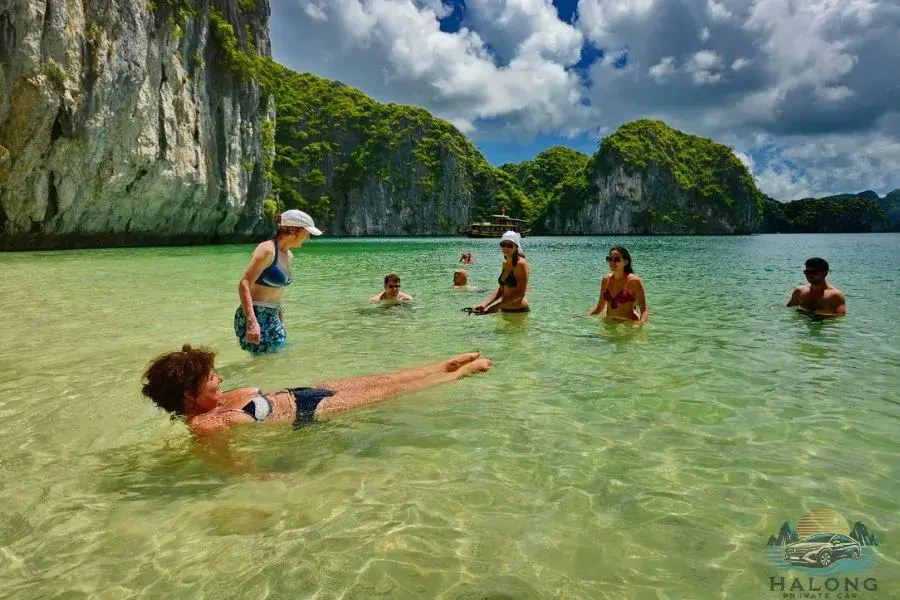
Lan Ha Bay often provides better conditions for swimming and kayaking. Its cruising zones are farther from major commercial shipping routes, and many itineraries visit sheltered lagoons, hidden beaches, and quiet coves that are ideal for water-based exploration.
Kayaking routes frequently pass through natural tunnels, enclosed lagoons, and floating fishing communities that feel removed from the busier sections of the region.
Swimming in Halong Bay is more restricted.
Most cruise operators use designated swimming areas such as Ti Top Beach, where visitor numbers can become substantial during peak periods. While the scenery remains spectacular, the experience is often less intimate than what many travelers find in Lan Ha Bay.
Verdict: Purely from a swimming and kayaking perspective, Lan Ha Bay generally holds the advantage.
Onboard Experiences and Nighttime Realities
Many travelers spend hours comparing photos of limestone islands when deciding between Halong Bay vs Lan Ha Bay, yet the quality of your overnight experience often has a bigger impact on overall satisfaction than the scenery itself.
After all, you’ll spend much of your trip onboard the vessel, enjoying meals, relaxing on the sundeck, sleeping in your cabin, and watching the changing landscape drift past your window.
The differences become particularly noticeable after the day-trippers return to shore and the bays transition into their evening rhythms.
Cruise Fleet Variety and Structural Styles
Halong Bay offers the widest range of cruise options in Vietnam.
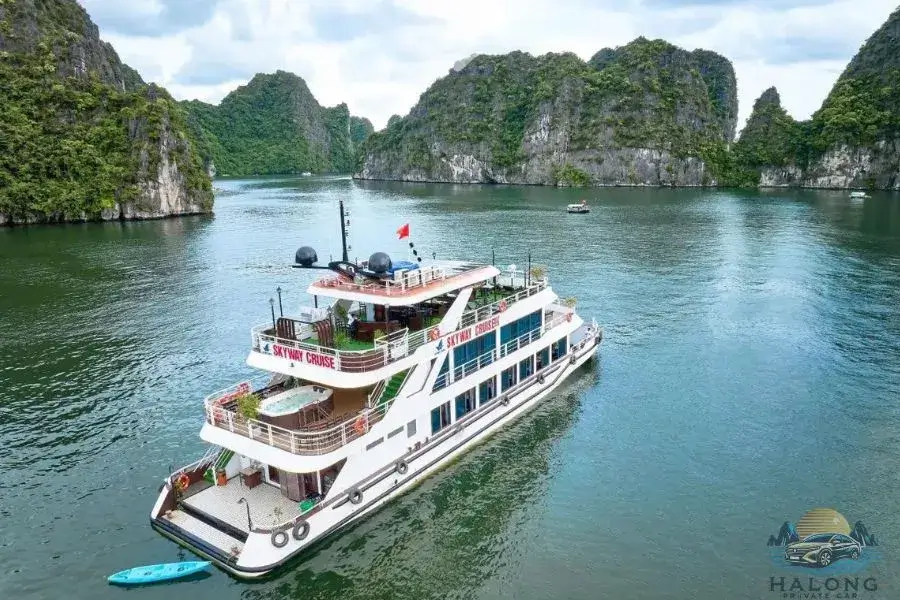
Budget-conscious travelers can find traditional wooden junks and affordable overnight boats, while luxury travelers can choose from some of the country’s most sophisticated vessels featuring spas, rooftop pools, fine dining restaurants, wine cellars, and multi-level entertainment areas.
Because Halong Bay has been welcoming cruise tourism for decades, competition among operators has created a vast range of products across every budget category.
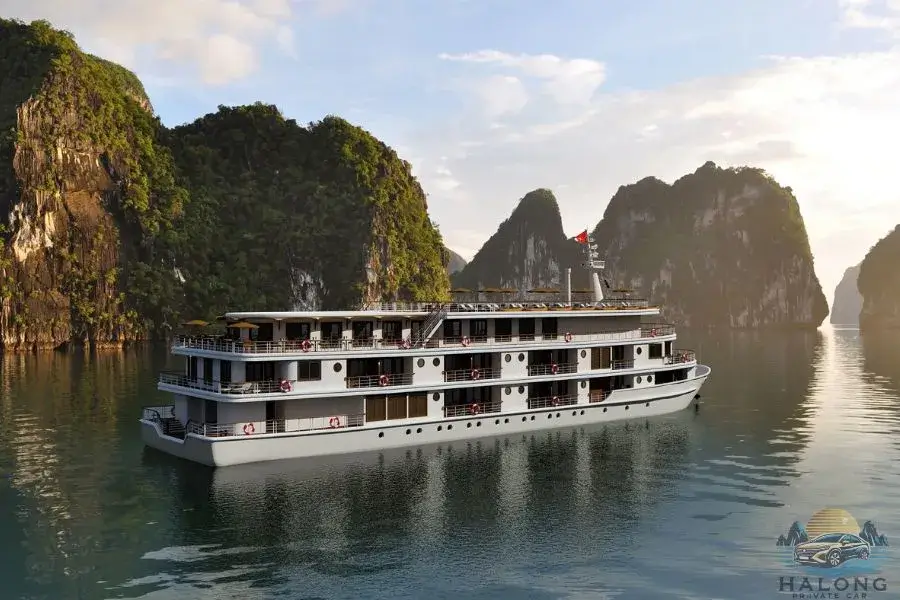
Lan Ha Bay’s fleet is smaller but increasingly focused on premium experiences.
Many newer vessels operating in Lan Ha Bay have been specifically designed to appeal to travelers seeking privacy and comfort. Private balconies have become a common feature, and many ships prioritize spacious cabin layouts over maximizing passenger capacity.
When comparing both bays from a cruise selection perspective, Halong Bay offers greater variety, while Lan Ha Bay tends to deliver a more boutique feel.
Overnight Anchorages and Evening Ambiance
One of the least discussed differences between the two bays emerges after sunset.
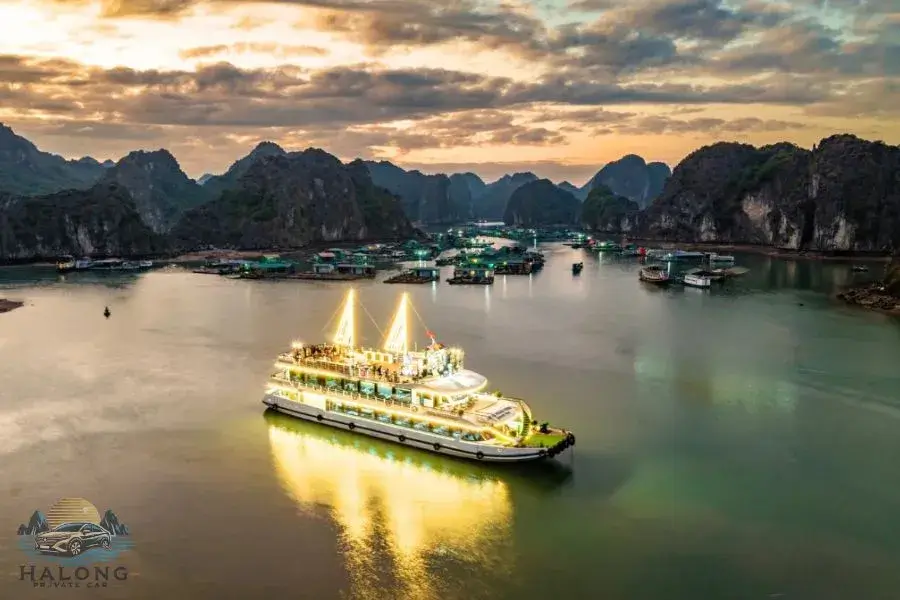
Halong Bay uses designated overnight anchoring zones where numerous vessels gather for the evening. From the sundeck, you’ll often see dozens of illuminated cruise ships scattered across the water.
Some travelers enjoy this atmosphere because it creates a lively and social environment. The glowing lights reflected across the bay can be quite beautiful.
Others find it detracts from the sense of wilderness.
Lan Ha Bay generally feels more secluded at night. Cruise vessels are often spaced farther apart, creating darker skies and quieter surroundings. On clear evenings, the atmosphere can feel remarkably peaceful as the sounds of nearby boats fade into the distance.
For travelers seeking serenity and uninterrupted views of nature, Lan Ha Bay usually delivers the more tranquil overnight experience.
Which Bay Fits Your Travel Style?
The best answer depends less on geography and more on your personal travel preferences. Rather than asking which bay is objectively better, it is more useful to ask which bay is better for you.
The First-Time Bucket-Lister vs. The Serenity Seeker
If this is your first trip to Vietnam and you’ve spent years dreaming about cruising through the country’s most famous natural wonder, Halong Bay remains the obvious choice.
Its iconic attractions have earned their reputation for a reason. Sites such as Sung Sot Cave, Ti Top Island, and Luon Cave continue to impress even seasoned travelers. For many visitors, seeing these landmarks is an important part of the Vietnam experience.

Lan Ha Bay appeals to a different mindset.
Travelers who care less about famous landmarks and more about peaceful exploration often prefer Lan Ha Bay. The slower pace, quieter waterways, and reduced vessel traffic create a more immersive connection with the natural environment.
When evaluating Lan Ha Bay vs Halong Bay, first-time visitors often lean toward Halong Bay, while repeat visitors increasingly gravitate toward Lan Ha Bay.
Active Adventurers and Family Travelers
Adventure-focused travelers frequently find more opportunities in Lan Ha Bay.
Its connection to Cat Ba Island allows cruise itineraries to incorporate activities beyond the water. Depending on the operator, guests may cycle through Viet Hai Village, explore sections of Cat Ba National Park, or spend extended periods kayaking through secluded lagoons.
The experience often feels more active and varied.
Families, however, may find advantages in Halong Bay.
Larger cruise ships typically offer a wider range of onboard facilities, including spacious sundecks, multiple dining venues, entertainment programs, cooking classes, and recreational areas. These features can help keep children engaged throughout the journey.
Parents traveling with younger children often appreciate the convenience and predictability of Halong Bay’s larger vessels.

Luxury Seekers and Romantic Getaways
Luxury travelers can find exceptional options in both destinations.
Halong Bay boasts some of Vietnam’s most prestigious cruise brands, many of which offer world-class dining, spacious suites, spa facilities, and highly personalized service.
Lan Ha Bay has developed a reputation for boutique luxury.
Many ships operating there focus on intimacy rather than scale. Fewer cabins often translate into quieter common areas, more attentive service, and a stronger sense of exclusivity.
For honeymooners and couples, the decision often comes down to atmosphere. Couples seeking vibrant luxury and extensive onboard facilities may prefer Halong Bay. Those looking for privacy, quiet evenings, and uninterrupted scenery frequently favor Lan Ha Bay.

Matching Your Schedule: Itinerary Blueprints
Time is one of the most important factors when choosing between the two bays.
A carefully selected itinerary can dramatically improve your experience regardless of which destination you choose.
The Pitfalls of a Day Trip
Many travelers underestimate the demands of a one-day excursion.
Even with modern expressways, the round-trip journey from Hanoi consumes a significant portion of the day. This leaves only a limited window for sightseeing on the water.
If you only have one day available, Halong Bay generally makes more sense.
Its efficient port infrastructure and extensive selection of day cruises allow operators to maximize time spent exploring. Popular highlights are specifically designed to accommodate shorter itineraries.
Lan Ha Bay can certainly be visited on a day trip, but the additional logistics often reduce the amount of time available for actual exploration.
The 2-Day, 1-Night Sweet Spot
For most travelers, a two-day, one-night cruise provides the ideal balance between time and value.
You gain the opportunity to experience sunrise and sunset on the water, enjoy evening activities onboard, and explore multiple attractions without feeling rushed.
In Halong Bay, this itinerary typically focuses on the region’s most famous landmarks and sightseeing routes.
In Lan Ha Bay, the same duration often feels more relaxed, with additional opportunities for kayaking, swimming, and enjoying quieter surroundings.
The 3-Day, 2-Night Deep Dive
Travelers with extra time are often rewarded with significantly richer experiences.
A longer itinerary allows cruise operators to venture beyond the most frequently visited areas and explore destinations that day-trippers never reach.
In Lan Ha Bay, this often includes deeper exploration of Cat Ba Island, extended kayaking excursions, and visits to remote lagoons.
In the wider Halong region, some longer cruises venture toward Bai Tu Long Bay, an area known for its lower visitor numbers and pristine scenery.
For photographers, nature enthusiasts, and slow travelers, a three-day itinerary often represents the most rewarding way to experience either destination.
The Local Expert’s Final Verdict
After years of welcoming visitors to northern Vietnam, one conclusion becomes clear: there is no universal winner in the discussion over Halong Bay vs Lan Ha Bay.
Both destinations offer extraordinary scenery. Both provide memorable cruise experiences. Both deserve their place among Vietnam’s most remarkable natural attractions.
The right choice depends entirely on what you want from your journey. If your dream is to experience Vietnam’s most famous seascape and its legendary attractions, book Halong Bay with confidence. If your ideal cruise involves tranquil waters, fewer crowds, and a stronger sense of escape, Lan Ha Bay may be exactly what you’re looking for.
Either way, you’ll be exploring one of the most breathtaking coastal landscapes in Southeast Asia.
Finally, thank you for taking the time to read our guide. We hope this comparison has helped you better understand the strengths of each destination and feel more confident about choosing the bay that matches your preferences.
If you’re still unsure which cruise, itinerary, or transportation option is right for you, local travel experts are here to help. We can provide personalized recommendations based on your schedule, budget, and travel preferences, ensuring you make the most of your time in northern Vietnam.
Feel free to contact us for cruise recommendations and private transfers from Hanoi, Ninh Binh, Hai Phong, or Cat Ba Island. For example, see our Hanoi To Halong Bay Private Car. We can also customize your Vietnam travel itineraries and offer some local travel tips or destination advice.
Halong Private Car is always happy to help you plan a smooth and memorable journey.